Research
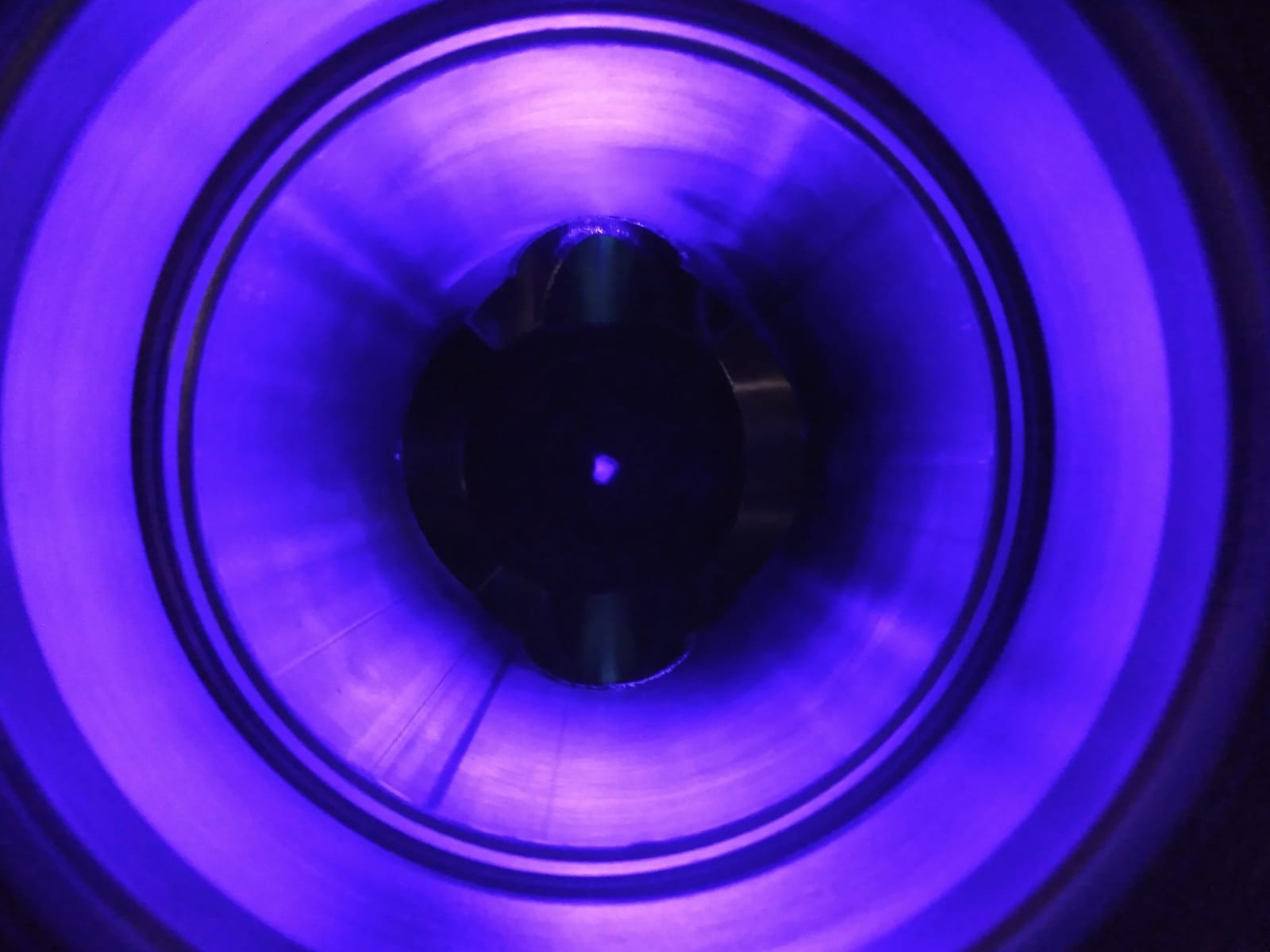
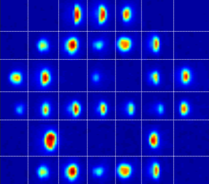
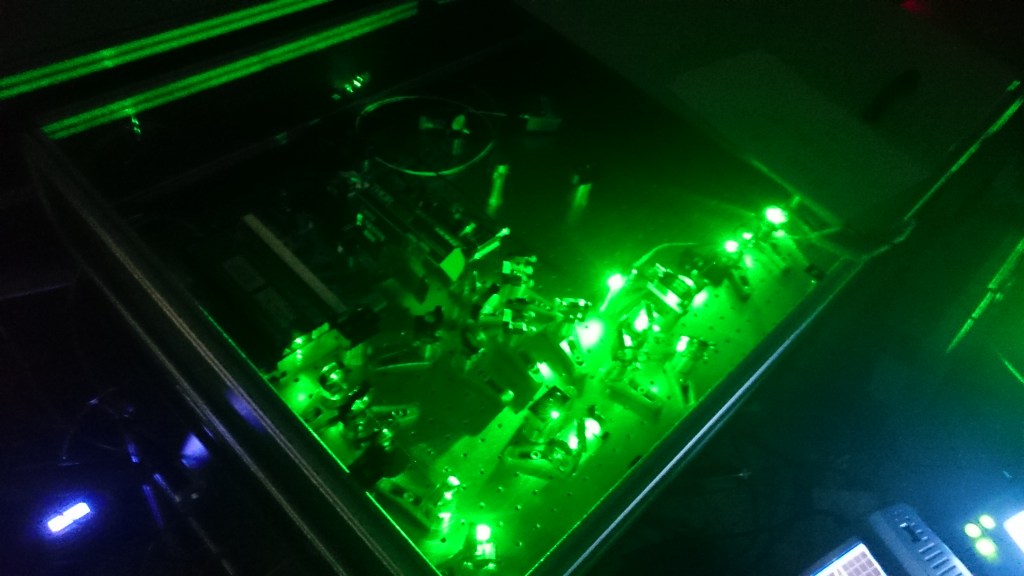
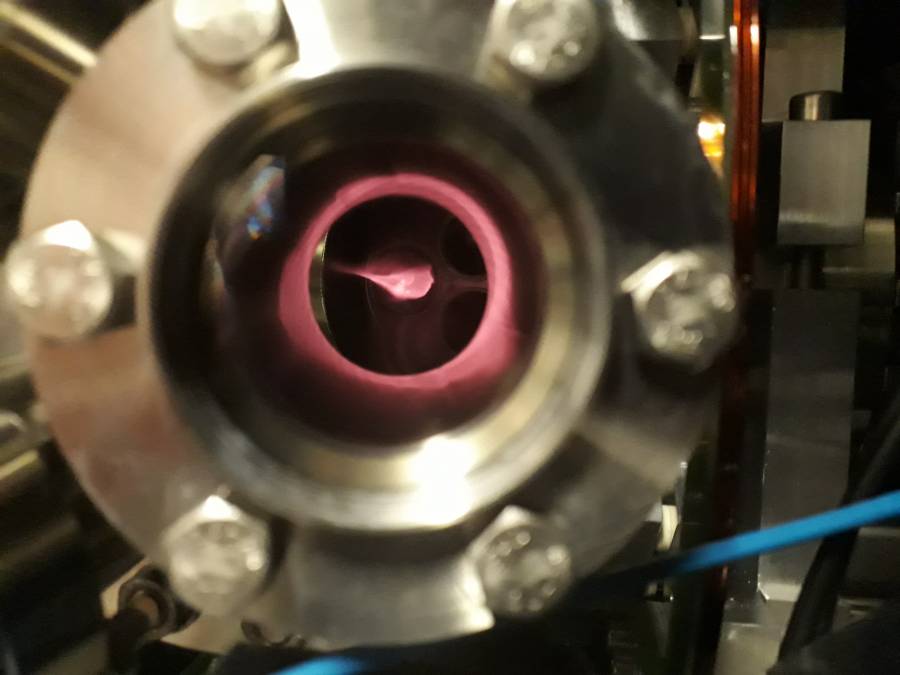
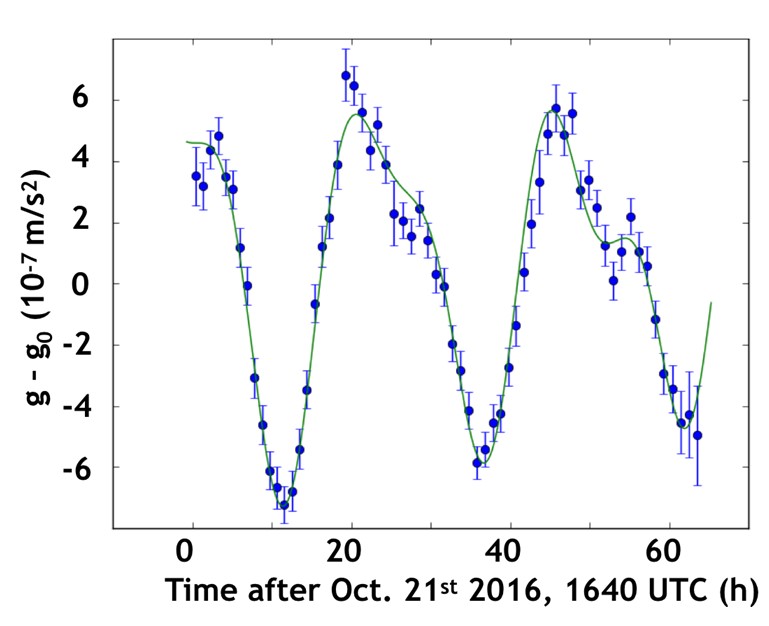
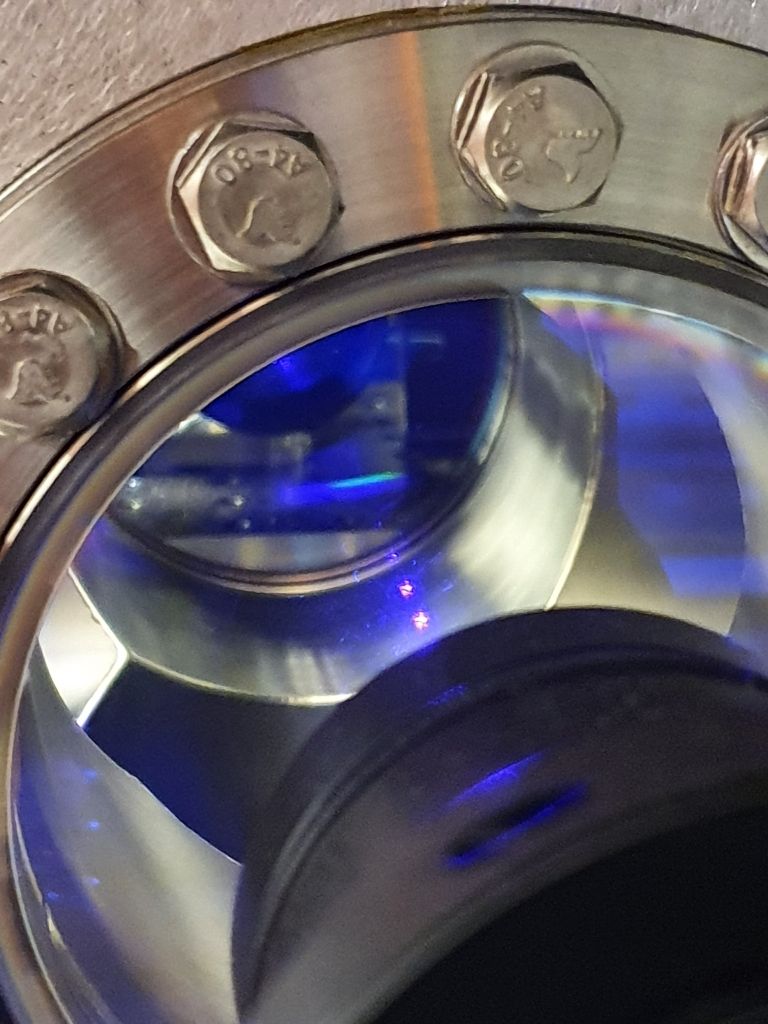
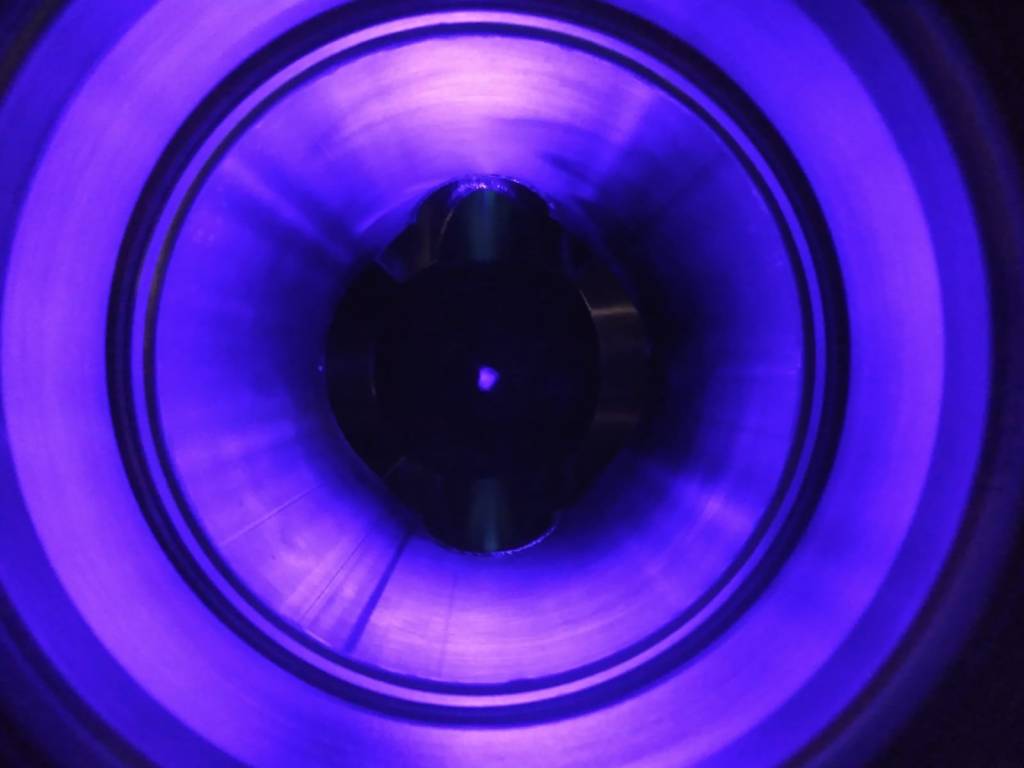
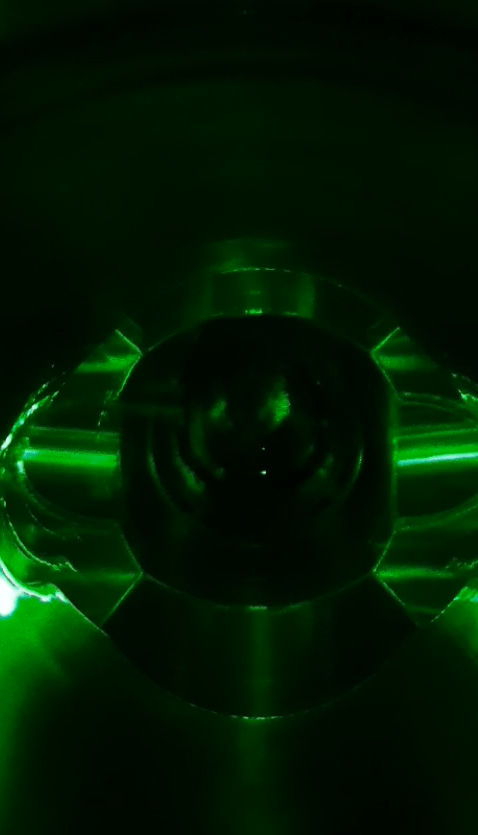
In my lab, we investigate quantum inertial sensors based on matter-wave interferometry. In the realm of tests of fundamental physics and large-scale infrastructure for future ultra-light dark matter and gravitational wave detectors, we operate the 10m long Hannover Very Long Baseline Atom Interferometry (VLBAI) facility – the 3rd operational facility of its kind worldwide – and have made seminal contributions to quantum tests of the universality of free fall. We furthermore advance quantum technologies for applications in Earth observation, e.g., through flight gravimetry, and inertial navigation and my group is developing versatile, reconfigurable multi-axis quantum inertial sensors based on matter waves programmable optical potentials (patent pending) and novel opto-mechanical inertial references for hybrid quantum sensors allowing for immunity against seismic noise and excellent long-term stability (protected by a patent).
Research centers
- Cluster of Excellence QuantumFrontiers – Light and Matter at the Quantum Frontier
- CRC 1227 DQ-mat – Designed Quantum States of Matter
- CRC 1464: TerraQ – Relativistic and Quantum-based Geodesy
Further reading
Very Long Baseline Atom Interferometry
Quantum Tests of the Universality of Free Fall
All-optical matter-wave sources
- Collaboration with Naceur Gaaloul (LUH) & Eric Charron (Université Paris-Saclay)
- Herbst et al., Matter-wave collimation to picokelvin energies with scattering length and potential shape control
- Herbst et al., High-flux source system for matter-wave interferometry exploiting tunable interactions
- Herbst et al., Rapid generation of all-optical 39K Bose-Einstein condensates using a low-field Feshbach resonance
- Albers et al., All-optical matter-wave lens using time-averaged potentials
Absolute Flight Gravimetry
Multi-axis inertial sensing
- Stolzenberg et al., Multi-axis inertial sensing with 2D arrays of Bose Einstein Condensates, arXiv:2403.08762
 quantumsensing.de